

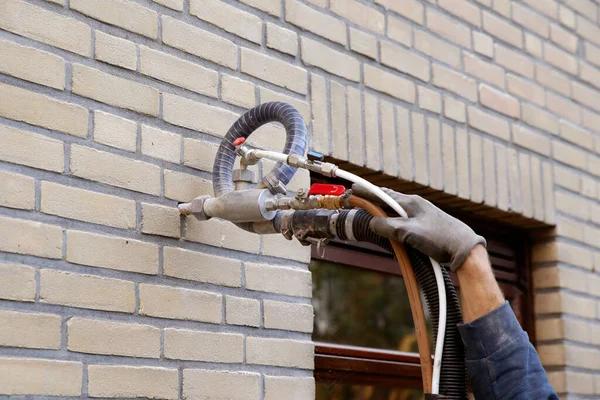
When considering insulation options for homes or commercial buildings in Houston, understanding the differences between spray foam insulation and traditional insulation is essential. Both methods aim to improve energy efficiency by reducing heat transfer, but they achieve this in distinct ways with varying benefits and drawbacks. Spray foam insulation involves applying a liquid mixture that expands into a dense foam, filling gaps and creating an airtight seal. Traditional insulation typically refers to materials like fiberglass batts, cellulose, or mineral wool, which rely on trapping air within fibers to slow down heat movement.
One of the primary advantages of spray foam insulation in attic insulation services Houston‘s climate is its superior air sealing capability. The city’s hot and humid weather demands effective moisture control to prevent mold growth and structural damage. Spray foam acts as both an insulator and a barrier against moisture infiltration due to its closed-cell structure when applied properly. This feature can significantly reduce energy costs by minimizing drafts and maintaining consistent indoor temperatures throughout the year.
Traditional insulation materials are often less expensive upfront compared to spray foam but may fall short in terms of performance over time if not installed correctly. Fiberglass batts require precise fitting around electrical wiring, plumbing, and framing; any gaps can lead to thermal bridging where heat escapes or enters more easily. Cellulose offers better coverage than fiberglass because it is blown into cavities but still lacks the complete air-sealing properties found in spray foam.
Another important consideration for Houston residents is durability and maintenance requirements. Spray foam tends to last longer without settling or sagging since it adheres firmly to surfaces once cured. Traditional materials might compress or degrade over time due to humidity fluctuations common in the region, potentially reducing their effectiveness unless periodically inspected or replaced.
Installation processes differ notably as well. Spray foam requires professional application using specialized equipment due to chemical components involved; improper handling can cause health risks or poor results such as uneven coverage or off-gassing odors initially after installation. On the other hand, traditional options are often DIY-friendly with simpler tools but demand careful measurement and placement for optimal performance.
In summary, choosing between spray foam insulation versus traditional methods depends on budget constraints, desired energy efficiency levels, long-term maintenance considerations, and specific environmental challenges present in Houston’s climate zone. While spray foam generally provides enhanced sealing capabilities that contribute toward lower utility bills and improved comfort indoors especially during extreme weather conditions typical of Texas summers; traditional insulations remain viable alternatives when cost-effectiveness takes priority without sacrificing basic thermal protection needs entirely. Homeowners should assess their priorities carefully before making a decision tailored uniquely for their property’s requirements alongside professional consultation where possible for best outcomes overall.