

Heating and cooling systems play a significant role in determining the overall energy efficiency of homes and buildings. These systems are responsible for maintaining comfortable indoor temperatures, but they also consume a large portion of the total energy used in residential and commercial settings. Understanding how heating and cooling impact energy efficiency is essential for reducing utility costs, minimizing environmental footprints, and improving comfort levels.
The efficiency of heating and cooling largely depends on the technology employed and how well it matches the specific needs of a building. Traditional systems like furnaces, boilers, air conditioners, and heat pumps vary in their ability to convert fuel or electricity into usable heat or cool air. Modern equipment often incorporates advanced features such as variable speed motors, smart thermostats, and improved refrigerants that enhance performance while lowering energy consumption. Choosing high-efficiency models with proper sizing can significantly reduce wasted energy during operation.
Insulation quality directly affects how much heating or cooling is required to maintain desired indoor conditions. Poor insulation allows heat to escape during winter or enter during summer, forcing HVAC units to work harder than necessary. Sealing leaks around windows, doors, ducts, and other openings further prevents unwanted temperature fluctuations by limiting air infiltration. When combined with efficient Phoenix Heating and Cooling devices, these measures contribute substantially to overall energy savings.
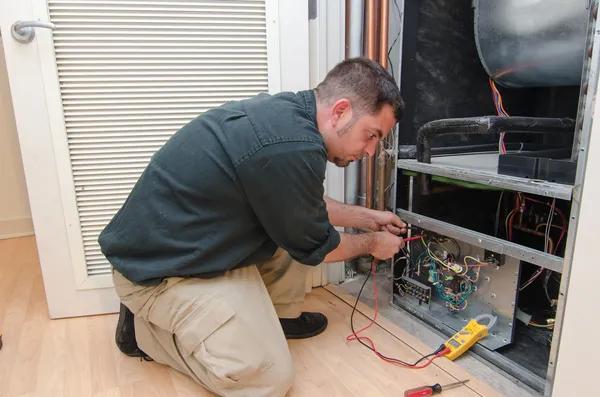
Another critical factor influencing energy use is system maintenance. Regular cleaning of filters, coils, fans, and vents ensures that airflow remains unobstructed while components operate smoothly without strain. Neglected equipment tends to lose efficiency over time due to dirt buildup or mechanical wear; this results in increased power consumption as the system struggles to perform adequately.
Behavioral habits also affect how much energy is consumed for heating or cooling purposes. Setting thermostats at moderate temperatures rather than extreme highs or lows reduces unnecessary demand on HVAC units throughout different seasons. Utilizing programmable thermostats enables automatic adjustments based on occupancy patterns which optimize usage without sacrificing comfort.
Furthermore, integrating renewable energy sources such as solar panels can offset some electrical requirements associated with running these climate control systems. This integration supports sustainable living by decreasing reliance on fossil fuels commonly used for generating electricity.