

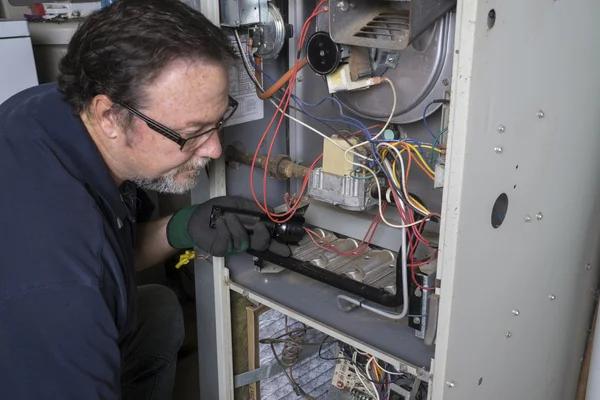
When considering the installation of a new HVAC system, budget planning becomes an essential step to ensure that expenses are managed effectively. A well-thought-out budget not only helps in minimizing unexpected costs but also ensures that you choose the best system suited for your home or business needs. Here’s a guide to help you plan your budget around HVAC installation expenses.
The first step is understanding the total cost involved in purchasing and installing an HVAC system. This includes the price of the unit itself, which can vary significantly based on brand, model, size, and efficiency rating. High-efficiency units might have a higher upfront cost but can save money in energy bills over time. It’s important to weigh these long-term savings against initial expenditures.
Next, consider installation costs. Hiring a professional installer is crucial as improper installation can lead to inefficiencies and increased operational costs down the line. Installation fees vary depending on factors like location complexity and whether additional work such as ductwork modification or electrical upgrades is needed. Getting multiple quotes from reputable contractors will provide a clearer picture of what you should expect to pay.
Additionally, factor in any potential permits or inspections required by local building codes or regulations. These view full article are often overlooked but necessary components of total project costs that ensure compliance with safety standards.
Maintenance plans are another consideration when budgeting for HVAC systems. Regular maintenance extends the lifespan of your unit and keeps it running efficiently; thus, it’s wise to set aside funds annually for this purpose. Some companies offer maintenance packages at discounted rates when bundled with purchase agreements—explore these options during negotiation phases.
Energy efficiency incentives may be available through government programs or utility companies aimed at encouraging eco-friendly practices by offering rebates for high-efficiency models—researching eligibility criteria could result in significant savings.
Financing options should also be explored if upfront costs pose challenges; many retailers offer financing plans allowing payments over time rather than one lump sum payment—a helpful solution without straining finances immediately after purchase decisions have been made.
Finally yet importantly: contingency planning! Unforeseen circumstances such as discovering outdated wiring needing replacement before proceeding further into installations mustn’t derail entire budgets unexpectedly—allocate about 10% extra within overall budgets specifically dedicated towards covering surprises encountered throughout processes undertaken until completion stages achieved successfully!
In conclusion: Planning carefully ensures smoother transitions while managing financial aspects surrounding investments made into acquiring/installing new heating/cooling solutions tailored specifically towards meeting individual requirements adequately without causing undue stress financially speaking!