

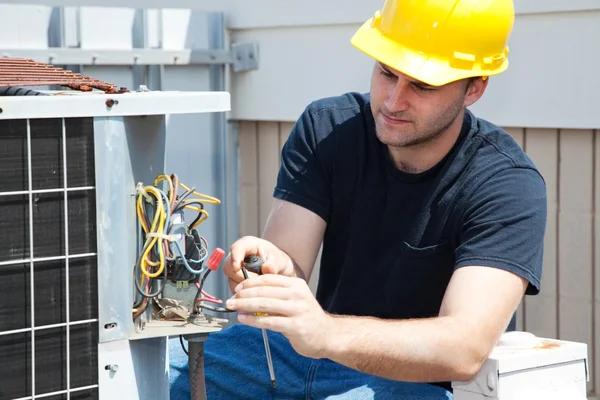
Static pressure checks are a fundamental aspect of maintaining an efficient and effective HVAC system. These checks, conducted by skilled HVAC repair professionals, play a crucial role in ensuring that heating, ventilation, and air conditioning systems operate at optimal levels. Understanding static pressure and its implications can help homeowners appreciate the importance of regular maintenance checks.
At its core, static pressure refers to the resistance to airflow within the ductwork of an HVAC system. It is analogous to blood pressure in the human body; just as high or low blood pressure can indicate health issues, abnormal static pressures can signal problems within an Bellevue HVAC Services system. When airflow faces excessive resistance due to blockages or poorly designed ductwork, it results in high static pressure. Conversely, low static pressure may suggest leaks or inadequate fan performance.
The process of checking static pressure involves measuring the force exerted by air moving through the ducts against their walls. HVAC technicians use specialized tools such as manometers or digital gauges for accurate readings. By obtaining these measurements at various points within the system—typically before and after major components like filters and coils—technicians can diagnose potential issues affecting performance.
High static pressure is often caused by factors such as dirty filters, undersized ducts, closed dampers, or obstructed vents. These obstructions force fans to work harder than necessary to circulate air throughout a building, leading not only to decreased efficiency but also increased wear and tear on components over time. This situation may result in higher energy bills and reduced lifespan for equipment if left unaddressed.
On the other hand, low static pressure might be indicative of leaky ducts or improperly balanced systems where air escapes rather than reaching intended areas effectively. Such conditions lead to uneven cooling or heating across different zones within a building—a common complaint among homeowners experiencing discomfort despite running their systems continuously.
By conducting regular static pressure checks as part of routine maintenance schedules recommended by manufacturers’ guidelines—or even more frequently depending on usage patterns—HVAC repair professionals help prevent minor issues from escalating into major repairs down the line while optimizing overall system performance year-round.
In conclusion: understanding what causes variations in your home’s internal climate control environment helps you make informed decisions about when professional intervention becomes necessary so that costly breakdowns do not occur unexpectedly during peak seasons when demand spikes suddenly without warning!