

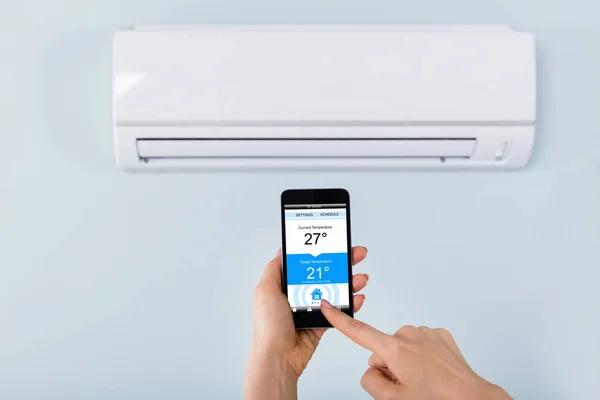
Heating and air conditioning systems are integral components of modern homes, ensuring comfort across varying weather conditions. Regular inspections of these systems play a crucial role in enhancing their efficiency and preventing unexpected breakdowns. By understanding the importance of routine maintenance checks, homeowners can enjoy improved system performance, reduced energy costs, and prolonged equipment lifespan.
Firstly, regular inspections help identify potential issues before they escalate into significant problems. Technicians can spot wear and tear or faulty components that might not be apparent to the untrained eye. Early detection allows for timely repairs or replacements, which prevents minor issues from developing into costly breakdowns that could leave homeowners without heating or cooling during extreme weather conditions.
Moreover, inspections contribute significantly to the efficiency of heating and air conditioning systems. Over time, dust and debris can accumulate within these units, leading to blockages that hinder airflow. This buildup forces the system to work harder than necessary to maintain desired temperatures, resulting in increased energy consumption. During an inspection, technicians clean critical components such as filters, coils, and ducts to ensure optimal airflow and operational efficiency.
Another advantage is the calibration of thermostats during inspections. A well-calibrated thermostat ensures that the system operates at its most efficient settings by accurately reading indoor temperatures. This precision prevents unnecessary cycling on and off of the unit—a process known as short cycling—which can lead to excessive energy use and undue stress on system components.
Inspections also provide an opportunity for technicians to check refrigerant levels in air conditioning units. Proper refrigerant levels are essential for efficient operation; low levels can cause the compressor—the heart of an AC unit—to overheat or even fail entirely if left unchecked. By maintaining adequate refrigerant levels through regular checks, homeowners can avoid these potentially expensive repairs while ensuring their units run smoothly.
Furthermore, routine maintenance helps extend the lifespan of heating and cooling systems by reducing wear on key parts like motors and belts. A well-maintained system experiences less strain during operation because it functions more details efficiently with fewer obstructions or imbalances within its mechanism.
Finally, consistent inspections offer peace of mind for homeowners who rely heavily on their HVAC systems throughout different seasons. Knowing that a professional has assessed their equipment reduces anxiety about unexpected failures when they need climate control most—whether it’s staying warm during winter blizzards or cool amid summer heatwaves.
In conclusion, investing in regular heating and air conditioning inspections is a proactive approach that enhances efficiency while minimizing risks associated with sudden breakdowns. Through early problem detection, cleaning procedures that improve airflow quality alongside proper component calibration—all contributing factors towards lower energy bills—homeowners gain both economic benefits as well as long-term reliability from their HVAC investments.